
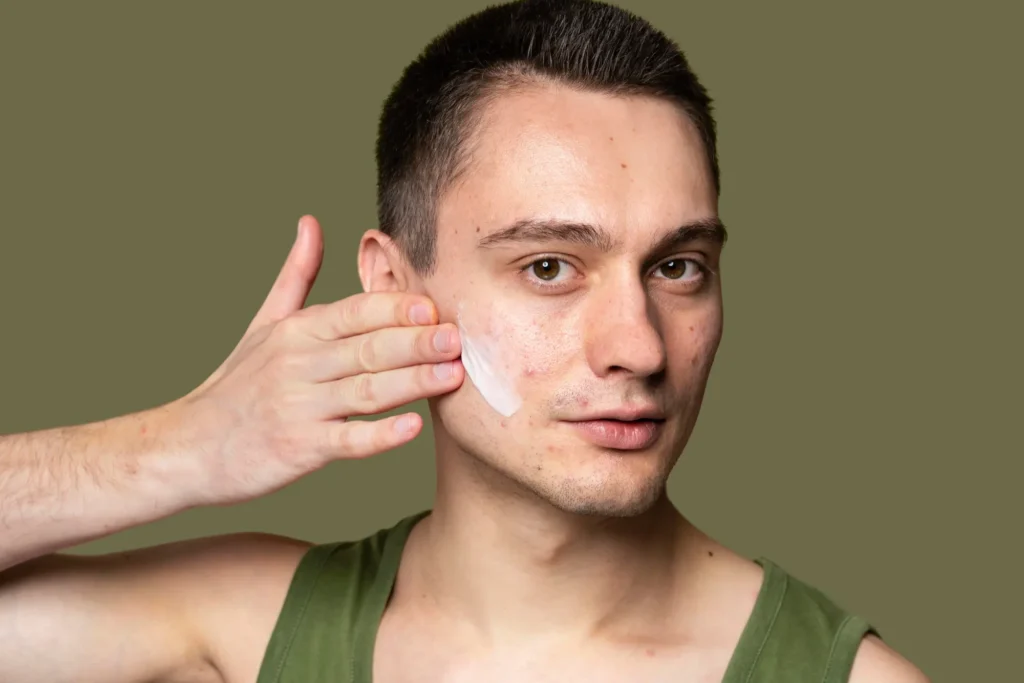
Comprehensive Tips for Managing Stress and Acne
Acne can often flare up as a result of stress, hormonal changes, poor diet, and other lifestyle factors. While frustrating, understanding how to manage these triggers can make a significant difference in the health and appearance of your skin. Let’s explore a detailed guide filled with actionable tips to help you combat stress-induced acne and regain control over your skin.
1. Embrace Regular Physical Activity
Exercise is a powerful tool for managing stress and improving overall skin health. Here’s why:
• Boosts circulation, delivering oxygen and nutrients to the skin, promoting a natural glow.
• Releases endorphins, which are your body’s natural mood elevators.
• Reduces the levels of stress hormones like cortisol and adrenaline, which can aggravate acne.
Incorporate activities you enjoy, such as jogging, yoga, dancing, or swimming, to make exercise a sustainable and enjoyable habit.
2. Prioritize Quality Sleep
Adequate sleep is essential for both mental and physical well-being:
• During sleep, the body enters a repair mode, healing damaged skin cells and reducing inflammation.
• Poor sleep increases stress levels, which can exacerbate acne.
Aim for 7-8 hours of uninterrupted sleep each night. Create a bedtime routine that includes activities like reading, meditation, or light stretching to signal your body that it’s time to wind down.
3. Rethink Your Diet and Habits
Your lifestyle choices play a significant role in managing stress and acne:
• Limit caffeine and alcohol consumption, as both can disrupt sleep and elevate stress hormones.
• Avoid smoking, which damages skin cells and slows healing.
• Adopt a balanced diet rich in fresh fruits, vegetables, whole grains, and lean proteins to nourish your skin from within. Foods high in antioxidants, such as berries, spinach, and nuts, help combat free radicals and promote healthy skin.
4. Practice Relaxation Techniques
Stress management is crucial for breaking the acne cycle. Consider:
• Meditation or mindfulness exercises to calm your mind and reduce cortisol levels.
• Engaging in a fun hobby, like painting, gardening, or playing a musical instrument, to channel stress positively.
• Taking a walk by the beach or in nature to recharge mentally and physically.
Even setting aside 10-15 minutes daily for relaxation can have profound effects on your skin and overall well-being.
5. Stop Picking at Pimples
As tempting as it may be, squeezing or popping pimples can:
• Worsen inflammation and spread bacteria.
• Cause scarring and prolong the healing process.
Instead, use targeted treatments, such as salicylic acid or benzoyl peroxide, and trust your skincare routine to do its job.
6. Maintain High Standards of Hygiene
For acne-prone skin, hygiene is paramount:
• Change your pillowcase daily to avoid transferring bacteria and oils to your skin.
• Wash your face morning and evening using gentle, non-comedogenic cleansers. Avoid harsh scrubbing, which can irritate the skin further.
• Dry your face with disposable paper towels instead of reusable towels, which can harbor bacteria.
7. Be Mindful of Makeup Choices
If you wear makeup, ensure it’s acne-friendly:
• Opt for oil-free and non-comedogenic products to prevent clogging pores.
• Avoid heavy makeup, especially during breakouts, to allow your skin to breathe.
• Always remove makeup thoroughly before bed to prevent buildup.
8. Seek Professional Help
Every individual’s acne story is unique. While general tips can help, consulting a professional can provide a tailored solution based on your skin type, lifestyle, and triggers. A professional treatment plan may include:
• Natural and effective skincare products designed specifically for acne-prone skin.
• Advanced treatments, such as chemical peels or laser therapy, to address persistent issues.
9. Stay Positive and Patient
Managing acne takes time, consistency, and care. Celebrate small improvements and trust the process. Stressing over your skin can inadvertently worsen acne, so practice self-compassion and focus on the steps you’re taking to achieve healthier skin.
With the right combination of lifestyle changes, skincare practices, and professional guidance, you can reduce stress, manage acne, and improve your skin’s overall health. Remember, your skin reflects the care you give it, so treat it with patience, love, and consistency. 🌟
